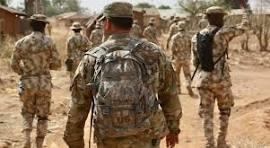


Kidnapping remains one of the most pressing security challenges confronting Nigeria, with recent incidents reinforcing concerns about the safety of citizens and the effectiveness of existing security measures. While security agencies continue to conduct rescue operations and arrest suspected criminals, the persistence of abductions has kept insecurity at the center of national discourse.
The consequences of kidnapping extend beyond the immediate victims. Communities living under constant security threats often experience disruptions to education, agriculture, healthcare, and local commerce. Families face emotional and financial hardship, while businesses become reluctant to invest in areas perceived as unsafe.
From a governance perspective, the continued occurrence of kidnappings raises important questions about intelligence gathering, inter-agency coordination, and law enforcement capacity. Security experts have consistently emphasized that effective policing requires not only military responses but also community intelligence, improved surveillance systems, and stronger collaboration between federal, state, and local institutions.
The economic implications are equally significant. Persistent insecurity discourages domestic and foreign investment, increases the cost of doing business, and affects agricultural production in rural communities where many attacks occur. These outcomes can slow economic development and place additional pressure on government resources.
Addressing the challenge requires a comprehensive strategy that combines effective security operations with social and economic interventions. Improving employment opportunities, strengthening local governance, and addressing the underlying causes of criminality are essential to achieving long-term security.
Overall, the persistence of kidnapping demonstrates that insecurity remains both a security and governance challenge. Sustainable progress will depend on institutional reforms, stronger accountability, and policies that restore public confidence in Nigeria’s security architecture.