

As Nigeria gradually approaches the 2027 general elections, political activities have become increasingly visible across the country. Meetings among political stakeholders, coalition discussions, party realignments, consultations, and campaign preparations have intensified, even though the election is still months away. While political participation is an essential element of democracy, the growing focus on electoral calculations has raised concerns that governance may be receiving less attention than expected at a time when the country faces significant economic and security challenges.
Politics is indispensable to democratic governance because it provides citizens with opportunities to choose their leaders and shape public policy. However, democracy also requires governments to remain focused on delivering public services throughout their tenure. When political calculations dominate public discourse too early, there is a risk that policy implementation, infrastructure development, legislative oversight, and institutional reforms may lose momentum.
Nigeria currently faces multiple policy priorities, including inflation, unemployment, insecurity, healthcare, education, and infrastructure development. These challenges require sustained attention from both the executive and legislative arms of government. Governance experts have argued that prolonged political distractions could slow decision-making and delay reforms that directly affect citizens’ welfare.
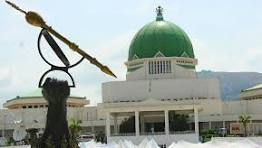
Another concern is legislative productivity. As election season approaches, lawmakers often divide their attention between constituency responsibilities, party activities, and re-election campaigns. While this is understandable within democratic politics, prolonged political engagement should not come at the expense of legislative oversight or policy development. Parliament plays a critical role in approving budgets, reviewing government performance, and passing laws necessary for national development.
Political parties also have responsibilities beyond electoral competition. They should use the pre-election period to develop evidence-based policy proposals that address citizens’ concerns rather than focusing solely on political alliances and campaign strategies. Healthy democratic competition should revolve around practical solutions to national challenges rather than personalities or rhetoric.
The media equally has an important role in shaping public discourse. While election coverage is necessary, sustained attention should also be given to policy implementation, budget performance, public sector reforms, and service delivery. Balanced reporting encourages greater accountability and ensures that governance remains central to national conversations.
Looking ahead, Nigeria’s democratic maturity will be measured not only by peaceful elections but also by the ability of political leaders to balance campaign activities with effective governance. Citizens expect elected officials to continue delivering tangible development throughout their constitutional tenure, regardless of the electoral calendar.
Ultimately, elections are periodic, but governance is continuous. Preserving this balance will strengthen democratic institutions, improve public confidence, and ensure that political competition does not overshadow the everyday responsibilities of government.