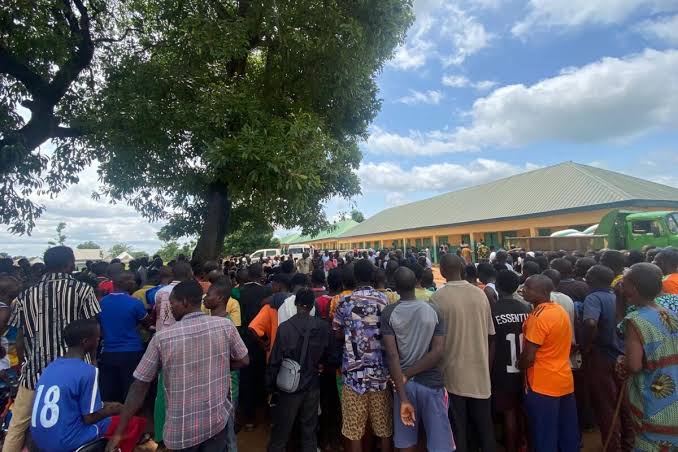


Insecurity remains one of the most significant governance challenges confronting Nigeria. Despite ongoing security operations across various parts of the country, concerns relating to banditry, kidnapping, communal conflicts, and violent attacks continue to affect citizens and local economies.
The impact of insecurity extends beyond immediate threats to life and property. In many affected communities, agricultural activities have been disrupted, leading to reduced food production and increased pressure on food prices. Businesses operating in high-risk areas also face additional costs associated with security measures, transportation difficulties, and investment uncertainty.
Recent security interventions by government agencies demonstrate continued efforts to address these challenges. However, many observers argue that sustainable solutions require a combination of military operations, intelligence gathering, community engagement, and socio-economic development initiatives. Security challenges often thrive where poverty, unemployment, and weak institutional presence persist.
From a governance perspective, public confidence is closely linked to the state’s ability to guarantee safety and maintain law and order. Citizens increasingly expect not only reactive responses to security incidents but also preventive measures capable of addressing root causes.
The political implications are equally significant. Security concerns often influence public perceptions of government effectiveness and can affect broader discussions about governance, resource allocation, and development priorities. Communities experiencing prolonged insecurity are more likely to demand stronger accountability from public institutions.
Looking ahead, Nigeria’s security outlook will depend on improved coordination among security agencies, investment in intelligence systems, and strengthened collaboration with local communities. Long-term stability may also require addressing underlying socio-economic factors that contribute to insecurity.
Overall, restoring public confidence in Nigeria’s security architecture remains essential for economic growth, social stability, and national development.