

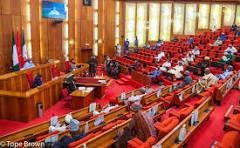
The Nigerian Senate has turned down a proposal from some of its members to take over South African companies operating in Nigeria and channel their profits toward compensating Nigerians who lost property or loved ones in xenophobic attacks in South Africa.
The rejection came through a voice vote during Tuesday’s plenary session, as senators debated a motion on the ongoing violence against Nigerians abroad. Cross River South Senator Asuquo Ekpenyong sponsored the motion, which named MTN and DStv — owned by South Africa’s MultiChoice Group — among the firms in question.
The case for retaliation
Lagos Central Senator Wasiu Eshinlokun opened the push for nationalisation, pointing to the ongoing deaths of Nigerians and destruction of their businesses in South Africa. Edo North Senator Adams Oshiomhole backed him, arguing that sympathy alone wasn’t enough and that Nigeria needed to hit South Africa where it would actually feel it — economically. He noted that an earlier Senate resolution to send a delegation to South Africa had gone nowhere.
Bauchi Central Senator Abdul Ningi also supported the idea, calling for a firmer diplomatic posture rather than more talks.
The Senate’s response
Presiding over the session, Deputy Senate President Barau Jibrin shut down the proposal, insisting the attacks needed proper investigation before Nigeria took any retaliatory action. While acknowledging the scale of the losses Nigerians had suffered, he urged restraint, noting that Nigeria’s position as a leading African nation meant it had to weigh its response carefully.
Jibrin also addressed viral claims that South Africa was refusing to compensate victims outright, cautioning against basing national decisions on unverified social media posts. He clarified that, based on what he’d seen, the compensation dispute was narrower than portrayed — South African officials had reportedly said only those occupying illegally settled land without title wouldn’t be paid, not that all displaced Nigerians would be denied compensation.
He asked the three senators to withdraw their proposals and let the Senate Committee on Foreign Affairs investigate and report back within two weeks.
Not the first time
This is a recurring flashpoint: lawmakers have previously called for revoking the operating licenses of MTN, DStv, and other South African firms doing business in Nigeria. Back on May 5, the Senate had already resolved to send a joint delegation — to be led by Senate President Godswill Akpabio — to engage South African counterparts directly. It remains unclear whether that trip ever took place, as no public record of it exists.
Background on the violence
The debate comes amid a fresh wave of attacks on African migrants in South Africa, with videos circulating online showing mobs targeting foreigners and reports of several Nigerian deaths. There are also allegations that security forces stood by during some incidents. In April, two Nigerians were reportedly killed by South African National Defence Force personnel in Port Elizabeth — one, Ekpenyong Andrew, was arrested and later found dead in Pretoria; the other, Amaramiro Emmanuel, reportedly died from injuries sustained during an attack by security personnel.
The Nigerian government has since repatriated a number of citizens because of the ongoing xenophobic violence.
What the motion actually called for
Beyond the nationalisation debate, Senator Ekpenyong’s motion condemned the attacks and pushed for several concrete steps:
- Written assurances from South Africa on the safety of Nigerians living there
- Arrest and prosecution of those responsible for violence, looting, and unlawful immigration enforcement
- Stronger emergency consular support from the Foreign Affairs Ministry, the Nigerians in Diaspora Commission, and Nigeria’s High Commission in South Africa
- A verified register of Nigerians who have died, been injured, displaced, unlawfully detained, or lost property, to support future legal claims and compensation
- Coordination with other affected African nations and the African Union to build an early-warning and accountability system against xenophobic violence