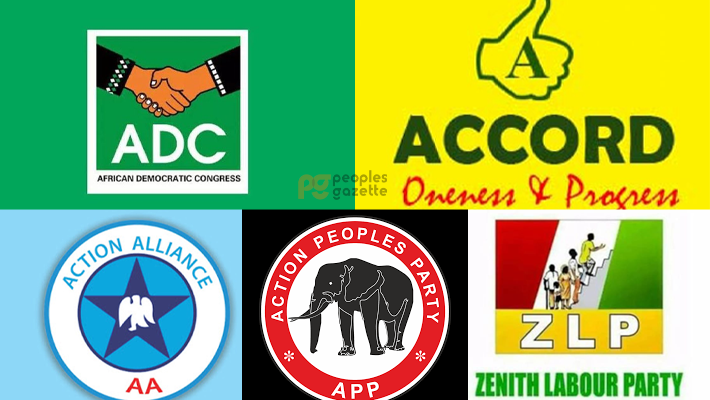

As Nigeria gradually moves closer to the 2027 general elections, political activities across the country have increased significantly. Political consultations, alliance-building, party movements, and strategic engagements among political actors have become more visible, reflecting the beginning of another major electoral cycle. While political participation is a fundamental part of democracy, the growing attention toward election strategies has raised important questions about whether political calculations are beginning to overshadow the urgent responsibilities of governance.
In a democratic system, elections provide citizens with the opportunity to choose their leaders and determine the direction of public policy. However, democracy is not only about elections; it is also about effective governance between electoral periods. Governments are expected to continue implementing policies, improving public services, strengthening institutions, and addressing citizens’ everyday concerns regardless of approaching elections.
Nigeria currently faces several major challenges requiring sustained government attention. These include economic pressures, unemployment, infrastructure deficits, insecurity, healthcare concerns, education challenges, and the need for stronger public institutions. These issues require long-term planning and consistent policy implementation. However, when political activities begin to dominate national discussions too early, there is a risk that governance priorities may be affected.
One major feature of Nigeria’s political environment is the frequent movement of politicians between parties and emerging alliances before elections. Political realignments are not unusual in democratic systems, as politicians often seek platforms that reflect their ambitions and policy interests. However, excessive focus on political calculations can weaken ideological debates and shift attention away from policy-based discussions.
A strong democracy should encourage political competition based on ideas, programmes, and solutions to national challenges. Citizens benefit more when political parties present clear policy alternatives rather than focusing primarily on personalities, alliances, and electoral strategies. The period before elections should provide an opportunity for meaningful debates about how to improve the economy, strengthen institutions, and address social challenges.
The role of political parties is therefore crucial. Beyond serving as vehicles for electoral contests, parties are expected to develop policy frameworks and provide platforms for citizens to engage with national issues. Internal democracy, transparency in candidate selection, and commitment to public service are essential elements of a healthy political system.
Another important concern is the impact of early political activities on government performance. Political attention can sometimes influence decision-making, as leaders may become more focused on electoral considerations rather than policies that may require difficult but necessary choices. Long-term reforms in areas such as taxation, infrastructure, education, and public sector management often require political courage and consistency.
The legislature also has an important role in maintaining governance focus. Members of the National Assembly are responsible for lawmaking, oversight, and representing citizens’ interests. As political activities increase, lawmakers must ensure that electoral considerations do not reduce their commitment to legislative responsibilities. Effective oversight of government programmes remains necessary to strengthen accountability.
Civil society organizations and the media equally have a responsibility to keep governance issues at the centre of public discussions. While political developments deserve attention, citizens should also receive adequate information about government performance, budget implementation, policy outcomes, and institutional reforms. A democracy becomes stronger when voters make decisions based on performance and policy rather than political emotions alone.
Technology and social media have further transformed political engagement in Nigeria. Digital platforms allow citizens to participate in political discussions and hold leaders accountable. However, they have also increased the spread of misinformation, political propaganda, and divisive narratives. Responsible political communication is therefore necessary to protect democratic values and encourage informed participation.
Looking ahead to the 2027 elections, Nigeria faces an important test of democratic maturity. Political competition is necessary, but it must exist alongside effective governance. Leaders seeking future electoral support must demonstrate commitment to addressing current challenges rather than focusing exclusively on future ambitions.
Ultimately, the strength of Nigeria’s democracy will not be measured only by the number of political parties, campaigns, or electoral contests. It will be measured by whether democratic institutions deliver improved living conditions, accountable leadership, and meaningful development for citizens. As political activities increase, the country must ensure that electoral ambition does not overshadow the fundamental responsibility of governance.
The period before 2027 should therefore be viewed not only as a preparation for elections but also as an opportunity for political actors to present practical solutions, strengthen institutions, and rebuild public confidence. Elections determine leadership, but good governance determines national progress.