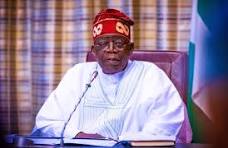


President Bola Tinubu has launched a presidential working group tasked with drafting the legal framework needed to roll out state policing across Nigeria. Femi Gbajabiamila, the president’s chief of staff, will lead the committee, which also includes Attorney-General Lateef Fagbemi.
The inauguration took place at the presidential villa in Abuja, with Gbajabiamila standing in for Tinubu. According to a statement from presidential adviser Bayo Onanuga, the group’s formation follows the National Assembly’s recent passage of a constitutional bill authorizing state police.
Tinubu explained that while the constitutional amendment lays the groundwork for a dual policing system, a separate law—the National Policing Bill—is needed to actually put it into practice. He said the amendment establishes the framework for dual policing without operationalizing it, leaving that task to the policing bill.
The president indicated the forthcoming legislation would address several key areas: baseline standards for state police forces, certification of state readiness, coordination between federal and state authorities, oversight mechanisms, protection of human rights, and funding requirements. He instructed the committee to move quickly, producing a finished draft ready to send to lawmakers as soon as the constitutional process wraps up, rather than waiting until it’s fully complete.
Beyond Gbajabiamila and Fagbemi, the working group includes National Security Adviser Nuhu Ribadu, Nigerian Bar Association President Adam Osigwe, Ogun State Governor and Nigeria Governors’ Forum Chairman Dapo Abiodun, Inspector-General of Police Tunji Disu, and the head of the NGF’s state police committee. An administrative secretariat will also be set up to support the panel’s work.
Governor Abiodun, speaking for the state governors, committed their backing for swift implementation and said governors would push their state assemblies to act quickly once the constitutional amendment clears. He framed the reform as a response to public frustration over centralized policing, noting it draws on the track record of regional security groups like Amotekun. He estimated that if every state contributed around 6,000 personnel, the country could gain nearly 200,000 additional officers alongside the existing federal police.
Attorney-General Fagbemi called the effort well-timed given Nigeria’s ongoing security challenges and urged governors to prioritize passing the constitutional amendment as a joint responsibility. NBA President Osigwe echoed support for state police but cautioned that strong legal safeguards are essential to prevent misuse and ensure accountability.
Attorneys-general and justice commissioners from Plateau, Lagos, and Ondo states also attended, along with representatives from the police and security adviser’s offices and other senior officials.