
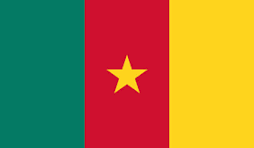
Cameroon’s political environment is currently shaped by growing uncertainty surrounding leadership succession, institutional reforms, and long-standing security challenges. While the government continues to project stability, underlying political dynamics suggest increasing pressure on the country’s governance structure.
A key development influencing the political landscape is the ongoing debate around constitutional and institutional adjustments linked to succession planning. Recent political discourse has raised concerns about how future leadership transitions will be managed, particularly in a system where executive authority remains highly centralized. This has intensified speculation within political circles and among opposition groups regarding the long-term direction of governance.
At the same time, electoral processes and political participation remain sensitive issues. Delays and adjustments in political timelines in recent years have contributed to growing public debate about democratic accountability and institutional transparency. Opposition actors continue to call for broader political reforms, arguing that stronger electoral credibility is necessary to maintain public trust.
Security challenges also remain a major factor influencing political stability. The prolonged crisis in the Anglophone regions continues to affect national cohesion, with intermittent violence and displacement undermining development efforts. This situation has placed additional pressure on the government, as it attempts to balance security operations with political dialogue and reconciliation efforts.
Economically, Cameroon maintains its role as a key Central African economy, but governance concerns and insecurity have continued to limit broader development outcomes. Analysts note that administrative inefficiencies and institutional weaknesses remain obstacles to effective policy implementation.
Looking ahead, Cameroon’s political trajectory will likely depend on how effectively the state manages succession expectations, security stabilization, and demands for greater political inclusion. The interaction between centralized governance and rising public expectations is expected to remain a defining feature of the country’s political outlook.
Overall, Cameroon presents a situation of controlled stability, but one increasingly shaped by structural tensions and unresolved governance questions.