

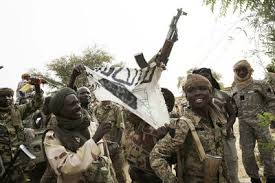
In the shadow of Nigeria’s unrelenting insecurity, where blood stains the soil of Borno State like an unending curse, the Borno State Government’s decision to reintegrate 720 so-called repentant Boko Haram insurgents, along with nearly 3,000 of their family members, stands as a breathtaking act of naivety, or worse, political expediency. On June 12, 2026, amid ceremonies at the Hajj Camp in Maiduguri, these individuals, fresh from deradicalisation programs, swore oaths on the Quran and were ushered back into communities still reeling from the group’s atrocities. This 9th batch pushes the total reintegrated under the “Borno Model” to over 9,600. Governor Babagana Zulum’s administration hails it as a peace-building triumph. Many Nigerians see it as a dangerous delusion that courts disaster.
Nigeria is not at peace. Boko Haram and its splinter, ISWAP, continue to unleash hell across the Northeast. Recent years have seen resurgent attacks: mass killings in Kukawa, assaults on resettled communities in Bama, and sophisticated strikes on military targets. Suicide bombings have returned, civilians are abducted in droves, and entire villages emptied. Banditry ravages the Northwest, farmer-herder clashes simmer elsewhere, and the military remains overstretched. In this climate of fear, releasing hundreds of former fighters feels less like mercy and more like playing Russian roulette with innocent lives.
The core flaw lies in the program’s fragile foundation: trust. Can we truly believe these men have repented? Boko Haram’s ideology is not a casual fling but a venomous worldview that justifies slaughtering “infidels,” abducting schoolgirls like the Chibok 276, and burning communities. Deradicalisation relies on religious re-education, vocational training, and oaths. Yet history screams skepticism. Recidivism haunts such programs worldwide, and in Nigeria, transparency is scarce. Who verifies “low-risk” status? What rigorous psychological profiling occurs? Critics rightly point to opaque screening, limited community input, and the absence of real justice. Victims’ families watch as perpetrators receive support while survivors scrape by without adequate compensation or closure.
This isn’t abstract policy debate. It’s personal trauma reopened. Imagine a mother in Maiduguri whose daughter was kidnapped, raped, or forced into “marriage” by these very insurgents. Now, those men return as neighbours, perhaps with stipends or tools for “rebuilding” lives they once destroyed. Without genuine transitional justice, this “reintegration” risks fracturing social cohesion further, not healing it.
Timing could not be worse. Nigeria’s security architecture groans under multiple threats. Boko Haram factions exploit ungoverned spaces, Lake Chad Basin instability, and porous borders. Releasing fighters now signals weakness. Insurgents elsewhere might calculate surrender as a get-out-of-jail card: fight, loot, terrorize, then “repent” when cornered. The program claims a 75% success rate, but in an active conflict zone, monitoring is illusory. Phones tracked? Community surveillance? These are bandaids on a gaping wound when betrayal could mean fresh massacres. Past efforts, like Operation Safe Corridor, faced similar critiques: insufficient vocational depth, secrecy breeding suspicion, and failure to address root grievances.
Resources tell a damning story. Funds poured into rehabilitation could bolster actual security. Victims deserve priority. Instead, the narrative shifts to “second chances” for perpetrators. This inverts justice. True peace requires accountability. Forgiveness without repentance is cheap; without deterrence, it’s suicidal. Proponents argue reintegration weakens insurgent ranks by encouraging defections. Fair point, in theory. Isolated successes exist, and not every low-level conscript is irredeemable. But blanket scaling amid insecurity ignores realities on the ground. Community leaders and academics at ceremonies urged acceptance, yet public discourse reveals deep division. Many residents whisper fears they dare not voice publicly. Traditional rulers, caught between government directives and local anguish, shoulder impossible burdens.
This policy risks eroding public trust in governance. When citizens see the state prioritising former terrorists over their safety, cynicism festers. It fuels narratives of elite disconnect. In a democracy, especially Nigeria’s fragile one, such moves demand broader consultation: National Assembly scrutiny, victim forums, independent audits. Borno’s “non-kinetic” approach deserves credit for innovation, but courage demands adaptation to evidence, not ideology. Pause mass reintegrations. Invest in verifiable deradicalisation with independent oversight. Prioritize justice mechanisms. Strengthen military pressure alongside targeted amnesty for verifiable minors or coerced recruits. Empower communities with veto power and support.
Nigeria has bled enough with over 35,000 dead and millions displaced since 2009. This is no time for feel-good experiments. The ghosts of Chibok, Dapchi, Oyo, Kwara, and countless unnamed villages demand better. Reintegration without ironclad safeguards isn’t compassion; it’s complicity in the next tragedy. Borno’s leaders must rethink this path before more blood flows. The people of the Northeast deserve security first, not risky reunions!
Chigozie Nnuriam is a freelance writer based in Lagos State.