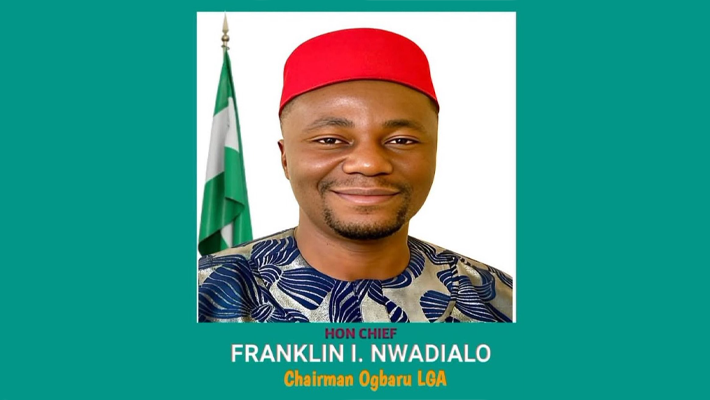


Corruption remains one of the most persistent governance challenges in Nigeria despite ongoing efforts by anti-corruption agencies and government institutions. Allegations of financial misconduct, procurement irregularities, and misuse of public resources continue to attract public attention and raise concerns about accountability.
The effects of corruption extend beyond financial losses. When public funds intended for infrastructure, healthcare, education, and social services are mismanaged, citizens often experience reduced access to essential services. This can weaken confidence in public institutions and create a perception that government resources are not being utilized effectively.
Recent anti-corruption initiatives demonstrate a continued commitment to addressing these issues. However, enforcement challenges, lengthy legal processes, and concerns about selective accountability have led some observers to question the overall effectiveness of current measures. Public confidence in anti-corruption campaigns often depends on whether investigations are conducted transparently and without political influence.
Economically, corruption can discourage investment by creating uncertainty within the business environment. Investors generally seek predictable regulatory systems and strong institutional safeguards. Where corruption is perceived to be widespread, investment decisions may be affected, potentially limiting economic growth and job creation.
To strengthen public trust, there is a growing need for enhanced transparency, stronger institutional oversight, and greater citizen participation in governance processes. Digital governance systems, open procurement practices, and improved public access to information could contribute to reducing opportunities for corruption.
In conclusion, corruption remains a significant obstacle to effective governance and sustainable development in Nigeria. While progress has been made in raising awareness and pursuing accountability, long-term success will depend on consistent enforcement, institutional reforms, and a sustained commitment to transparency.