By Tony Ademiluyi
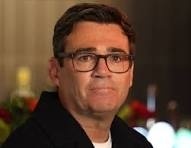
Andy Burnham’s rise to the Labour leadership is one of the more unusual paths to power in modern British politics, and the story is worth walking through in stages.
The long prelude (2015–2025)
Burnham had already run for the Labour leadership twice before, in 2010 and 2015, and lost both times to the party’s more Westminster-establishment figures. Rather than staying in Parliament, he left to become Mayor of Greater Manchester in 2017, where he built a distinct brand as the so-called “King of the North,” a nickname earned through his determination to defend the region’s interests outside the usual party machinery. That regional platform let him position himself as an authentic, plain-speaking alternative to Westminster politics — visible, popular, but structurally locked out of the leadership because Labour rules require any leadership challenger to be a sitting MP with the backing of at least 80 MPs.
Through 2025 and into 2026, speculation simmered. Burnham repeatedly refused to rule out a return to Westminster, telling interviewers things like he had “never ruled out going back to Westminster,” while insisting his focus was on Manchester. This ambiguity itself became a form of leverage — pressure on Starmer without an open declaration of war.
The mechanics of the comeback
The turning point was engineered rather than accidental. His ally Josh Simons resigned his Makerfield seat, in Labour’s traditional northern heartlands where Reform UK was surging, specifically to create an opening for Burnham. He won that by-election on 18 June 2026, and the by-election victory intensified discussion of a leadership challenge; Starmer announced his resignation four days later, on the same day Burnham was sworn in as an MP.
The coronation
Once nominations opened, the outcome was effectively settled before members even voted. Burnham received 379 nominations and was the only eligible candidate, backed by over 80% of Labour MPs — ultimately reaching 94%, the highest share of MP nominations ever recorded in a modern Labour leadership contest, surpassing Gordon Brown’s 88% in 2007. As CNN put it, the leadership election quickly turned into a coronation.
Why Labour MPs converged on him
The driving logic wasn’t ideological enthusiasm so much as electoral fear. MPs worried they would lose their seats to Nigel Farage’s Reform UK at the next election, due by 2029, and Burnham’s win in Makerfield demonstrated he could take the fight to Reform directly. He is now framed as the party’s answer to a decade of instability, becoming Britain’s seventh prime minister in ten years.
The reception is split
Not everyone is convinced this solves Labour’s problems. Commentary in the Independent captured public skepticism, with readers divided over the pollster John Curtice’s assessment that Burnham represents Labour’s best chance of keeping Farage out of Downing Street, and many arguing Burnham’s appeal stems precisely from being outside Westminster, warning his popularity could fade once he’s back in frontline national politics.
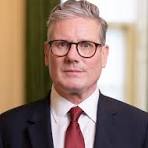
Burnham is set to be appointed PM on Monday, succeeding Starmer.