
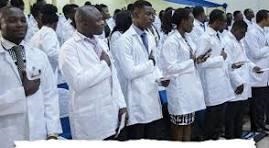
Nigeria’s healthcare sector remains one of the most critical pillars of national development, yet it continues to face significant challenges that affect the quality and accessibility of medical services. In recent years, one issue has attracted increasing attention from policymakers, healthcare professionals and development partners—the growing shortage of health workers. The migration of doctors, nurses and other medical professionals to countries offering better remuneration and working conditions, combined with the increasing healthcare needs of Nigeria’s growing population, has intensified concerns about the long-term sustainability of the nation’s health system.
The shortage of healthcare professionals is not a new challenge, but recent developments have brought it into sharper focus. Hospitals across several states continue to report shortages of doctors, nurses, laboratory scientists and other specialised personnel. At the same time, many Nigerian-trained professionals are securing employment abroad, where opportunities for career advancement, better facilities and improved welfare are often more attractive. While every individual has the right to seek better opportunities, the cumulative impact of this migration has become a significant governance concern.
Healthcare is not only a social service; it is also an important driver of economic productivity and national development. A healthy population contributes more effectively to the workforce, while a weak healthcare system can reduce productivity, increase healthcare costs and discourage investment. Consequently, strengthening the health sector should be viewed as both a public health priority and an economic necessity.
One major factor contributing to workforce migration is the quality of working conditions. Many public hospitals face challenges relating to outdated medical equipment, inadequate infrastructure, irregular power supply, limited opportunities for professional development and heavy workloads. These conditions can reduce job satisfaction and encourage skilled professionals to seek employment elsewhere. Addressing these issues requires sustained investment in healthcare infrastructure alongside improvements in staff welfare.
Another important consideration is remuneration. Competitive salaries alone may not completely eliminate migration, but fair compensation remains an important component of workforce retention. Governments at all levels should continue reviewing employment conditions while ensuring that healthcare professionals receive appropriate incentives, particularly those working in underserved rural communities where access to medical services remains limited.
Medical education also deserves greater attention. Nigeria possesses several respected medical schools and training institutions, yet expanding enrolment without corresponding investment in teaching hospitals, laboratories and clinical training may not adequately address workforce shortages. Increasing the number of qualified graduates should be accompanied by measures that improve the quality of training and create employment opportunities within the country.
Primary healthcare remains the foundation of an effective health system. Well-equipped primary healthcare centres reduce pressure on tertiary hospitals by providing preventive and basic medical services within local communities. Strengthening these facilities through improved staffing, medical supplies and infrastructure can significantly expand healthcare access, particularly in rural areas where specialist services are scarce.
Technology presents additional opportunities for improving healthcare delivery. Telemedicine, electronic medical records, digital health platforms and remote consultations can help bridge geographical barriers while improving patient care. Investments in digital health infrastructure could enable specialists in urban centres to support healthcare workers serving remote communities, thereby improving service delivery without requiring physical relocation.
Partnerships between government, the private sector and development partners are equally important. Private hospitals, pharmaceutical companies, educational institutions and international organisations can contribute to workforce development through training, research collaboration and investment in healthcare infrastructure. Such partnerships should complement, rather than replace, government responsibility for ensuring equitable access to quality healthcare.
The health workforce challenge also has implications for emergency preparedness. Disease outbreaks, natural disasters and other public health emergencies require adequate numbers of trained professionals capable of responding effectively. A resilient healthcare system depends not only on medical equipment and facilities but also on a motivated and well-trained workforce that can respond rapidly during crises.
From a governance perspective, addressing workforce shortages requires coordinated policy action. Health, education, finance and labour institutions must work together to develop long-term strategies that align medical training with national healthcare needs. Workforce planning should be informed by reliable data on population growth, disease patterns and regional healthcare demands to ensure that resources are allocated efficiently.
Looking ahead, Nigeria’s ability to achieve universal health coverage will depend significantly on its capacity to retain skilled professionals while expanding access to quality healthcare services. Investments in infrastructure, professional development, improved welfare, digital innovation and institutional reforms can strengthen the health sector and improve public confidence.
Ultimately, healthcare workers remain the backbone of every effective health system. Hospitals cannot function efficiently without motivated doctors, nurses, pharmacists, laboratory scientists and other professionals whose expertise directly affects patient outcomes. Protecting and strengthening this workforce is therefore not merely an employment issue; it is a national development priority. If Nigeria succeeds in creating an environment where healthcare professionals can build fulfilling careers while serving their communities, the country will be better positioned to improve public health, strengthen economic productivity and achieve sustainable national development.